Senate Republicans Pass Bill Requiring Data Centers to Pay Their Own Power Costs
The permitting reform package would speed up energy projects and stop AI data centers from passing grid costs on to households. It now heads to the House.
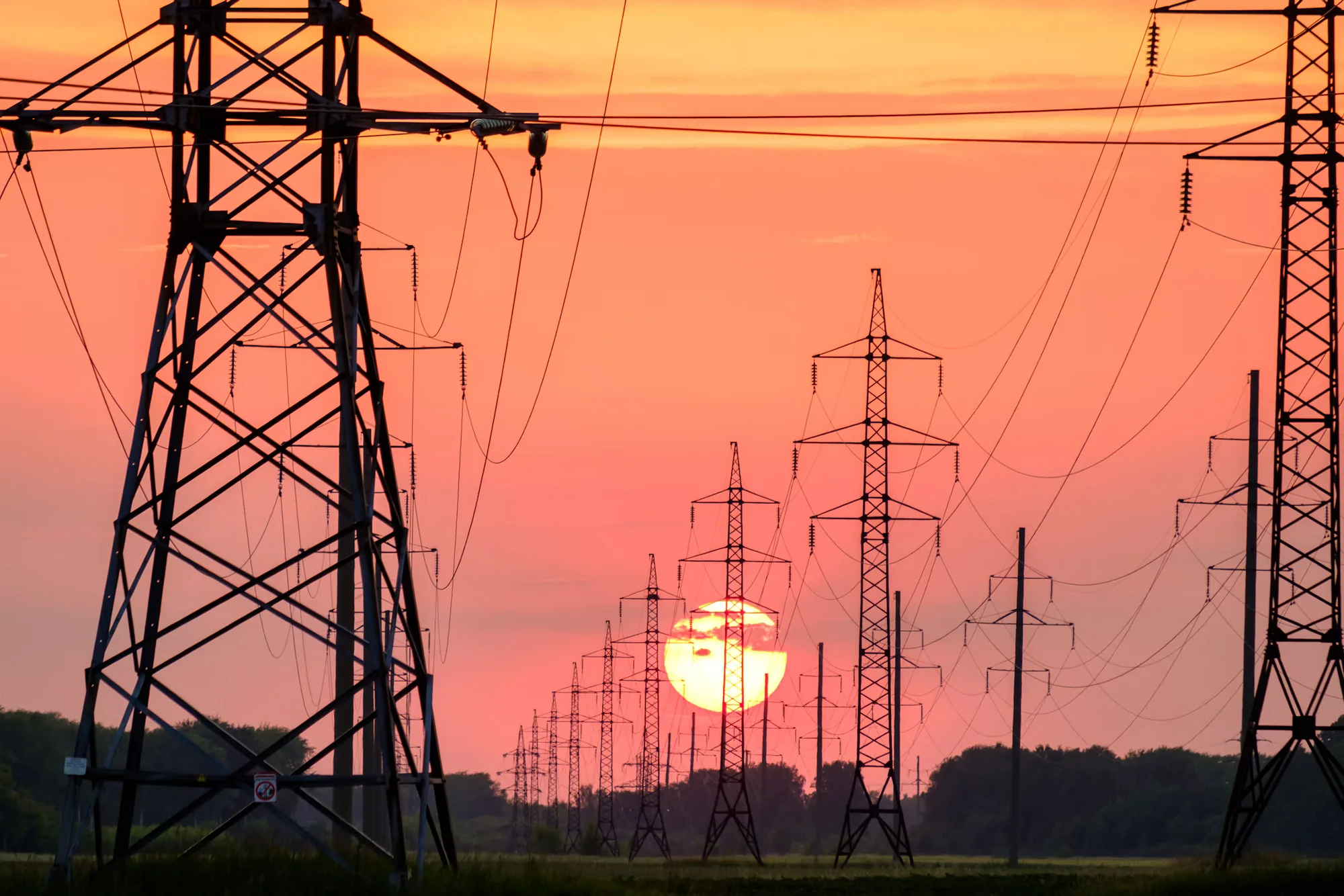
WASHINGTON — The Republican-led Senate on Thursday passed a sweeping permitting reform bill that would speed approval of energy and infrastructure projects and require data centers to pay for the electricity and grid upgrades they use.
The bill was led by Sen. Shelley Moore Capito (R-W.Va.), chair of the Senate Environment and Public Works Committee, and Sen. Mike Lee (R-Utah), chair of the Senate Energy and Natural Resources Committee, and passed with support from both parties. It now goes to the House, where Republicans hold the majority until the new Congress is sworn in on January 3.
What the bill does
According to the Associated Press and Bloomberg Government, the bill would:
Shorten federal permitting timelines for large energy projects, including power plants, pipelines and transmission lines
Limit legal challenges under the National Environmental Policy Act and the National Historic Preservation Act, which have been used to delay projects for years
Make it easier to site interstate transmission lines
Require data centers to pay for the energy they consume and for the transmission costs they create
End federal buyouts of offshore wind leases
"The American people sent us here to do big things," Capito said when senators announced the deal in September. She described the current permitting system as "filled with delays, expenses, red tape, uncertainty," and said some projects take decades to complete.
After the Senate voted 73–25 on November 9 to begin debate, Capito called the bill "a win for America" and said, "We cannot let this moment pass by."
Rising power bills
The data center provision comes as households in several states face higher electricity costs tied to the rapid growth of AI.
The independent market monitor for PJM, the power grid that serves 67 million people across 13 states and Washington, D.C., estimates that data centers have cost its customers about $29 billion over roughly two years, according to NPR. One estimate cited by NPR puts the added cost for Maryland households at $168 to $216 a year.
Experts told NPR that large customers such as data centers often receive volume discounts on electricity, while the cost of new power lines and plants is spread across all customers. A University of Mary Washington study found that nondisclosure agreements were signed in 80% of Virginia localities with existing or proposed data centers.
Earlier House action
The Senate vote follows House passage in September of the Ratepayer Protection Act, sponsored by Sen. Jon Husted (R-Ohio). That bill, which also drew bipartisan support, would direct state utility regulators to consider making large power users such as data centers responsible for the added costs they put on the grid.
What's next
The House must pass the Senate bill before it can be signed into law. Lawmakers have until the current session ends in early January to act before the bill would need to be reintroduced in the new Congress.
Sources
Senate reaches bipartisan deal on permitting bill to speed approvals of new energy projects, PBS NewsHour / Associated Press
Senate advances sweeping energy legislation in first major action since midterm elections, OPB / Associated Press, Nov. 9, 2026
Senate Permit Deal Would Force Data Centers to Pay Grid Cost, Bloomberg Government
AI data centers: how much are ratepayers on the hook for?, NPR via KUOW, Oct. 1, 2026

Get Conservateen in your inbox
The day’s essential reporting and opinion. Free.